
Nutritional & Functional Ingredients
Betaine Anhydrous
Betaine Anhydrous, also known as Trimethylglycine (TMG), is a water-soluble ingredient used in dietary supplements, sports nutrition, and functional food formulations. ANADYO supports international B2B ingredient sourcing and purchasing from China for supplement manufacturers, formulation companies, and ingredient distributors.
Specifications
- Product Form
- Powder
- Key Specification
- 98% / 99% Assay
- Typical Applications
- Dietary Supplement Capsules, Tablets, Pre-Workout Powders, Nutritional Premixes
Product Overview
Betaine Anhydrous, commonly known as Trimethylglycine (TMG) or Glycine Betaine (CAS 107-43-7), is a nutritional ingredient used in dietary supplements and sports nutrition products.
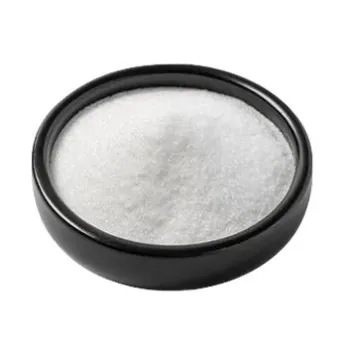
It is typically supplied as a white crystalline powder and is readily soluble in water. Betaine functions as a methyl donor in normal metabolism, making it relevant to nutritional formulations involving methyl-group metabolism.
For B2B purchasing, it is important to distinguish Betaine Anhydrous from Betaine Hydrochloride (Betaine HCl) and Betaine Monohydrate, as these are different ingredient forms.
Commercial Specifications & Supply
99% assay is a common commercial specification for Betaine Anhydrous. The exact purity and testing parameters of the offered material are documented in the corresponding COA with Specifications.
Item | Details |
|---|---|
Common Commercial Assay | 99% |
Standard MOQ | 25 kg |
Sample Orders | From 1 kg |
Standard Packaging | 25 kg/drum |
Documentation | COA with Specifications, Halal Certificate (available upon request) |
ANADYO supports international ingredient buyers evaluating Betaine Anhydrous for initial formulation trials and regular bulk procurement.
Applications & Formulation Considerations
Dietary Supplement Capsules & Tablets
Betaine Anhydrous is used in single-ingredient TMG supplements and combination nutritional formulations.
For capsule and tablet production, manufacturers should assess powder flow, moisture control, excipient compatibility, and content uniformity. These considerations are particularly relevant when selecting materials for commercial-scale production.
Sports Nutrition & Powder Blends
TMG is used in pre-workout products and multi-ingredient sports nutrition powders.
Because Betaine Anhydrous can absorb moisture from the surrounding environment, manufacturers should consider humidity control during blending, filling, and storage. Powder handling properties should also be evaluated when developing formulations containing other hygroscopic ingredients.
Functional Beverage & Drink Powder Formulations
Betaine Anhydrous is readily soluble in water, making it suitable for evaluation in drink powders and other aqueous formulations.
R&D teams should assess the final product's taste profile, ingredient compatibility, processing conditions, and storage stability. Permitted applications and inclusion levels must be verified for the intended destination market.
Choosing the Correct Betaine Ingredient
Betaine Anhydrous vs. Betaine HCl
Although both materials contain betaine, Betaine Anhydrous and Betaine Hydrochloride are different commercial ingredients.
Betaine Anhydrous is commonly selected for TMG-based nutritional formulations, whereas Betaine HCl is a hydrochloride form with different compositional and formulation characteristics.
The two should not be substituted on an equal-weight basis without reviewing the intended formulation and specifications.
Betaine Anhydrous vs. Betaine Monohydrate
Betaine Monohydrate contains water of crystallization, while Betaine Anhydrous does not.
This distinction matters when comparing ingredient assay, moisture requirements, and the amount of betaine delivered by a given ingredient weight.
For accurate purchasing and formulation, buyers should confirm the required form rather than ordering by the general name "Betaine" alone.
Quality & Sourcing Considerations
For bulk Betaine Anhydrous procurement, the following parameters are relevant to supplier qualification and formulation review:
- Identity & Assay: Confirm Betaine Anhydrous identity, declared purity, and the basis of assay calculation.
- Moisture: Review loss on drying or water-content limits, particularly for moisture-sensitive powder formulations.
- Impurities: Check applicable limits for related substances, residual processing materials, and heavy metals.
- Physical Properties: Evaluate appearance and relevant powder characteristics for the intended manufacturing process.
- Documentation: Review the COA with Specifications and applicable product-level certification documents.
For Halal-sensitive purchasing, buyers should verify that the certificate covers the offered ingredient, relevant supplier, and intended market requirements.
FAQ
Is Betaine Anhydrous always derived from sugar beet?
No. Betaine occurs naturally in sugar beets and other biological sources, but commercial Betaine Anhydrous may be obtained through different production processes.
Buyers requiring a specific botanical origin or production method should state this requirement during sourcing. The name Betaine Anhydrous alone does not establish plant-derived, organic, or non-GMO status.
Can Halal documentation be provided for Betaine Anhydrous?
A Halal certificate is available upon request for the offered product. Buyers should confirm the certification body's recognition, certificate validity, and product coverage according to their destination-market requirements.
Request a Quote
Contact sales@anadyobio.com with your required quantity, destination country, and target specification to request a COA with Specifications and quotation.