
Nutritional & Functional Ingredients
Natural Caffeine Anhydrous (Green Tea Derived)
Natural Caffeine Anhydrous (Green Tea Derived) is a plant-derived, anhydrous caffeine ingredient obtained from green tea (Camellia sinensis). It provides a natural-source caffeine option for beverage, sports nutrition, and dietary supplement formulations. ANADYO supports international B2B buyers with ingredient sourcing, technical specification review, and bulk purchasing arrangements.
Specifications
- Product Form
- Powder
- Key Specification
- >98.5% Caffeine Assay, USP, Anhydrous, Green Tea Derived
- Typical Applications
- Energy Drink Powders, Pre-Workout Blends, Caffeine Capsules, Functional Beverage Mixes
Product Overview
Natural Caffeine Anhydrous (Green Tea Derived) is a concentrated, anhydrous caffeine ingredient obtained from green tea rather than chemical synthesis. Its botanical source is Camellia sinensis (L.) Kuntze, a member of the Theaceae family.
The anhydrous form contains no water of crystallization. Its caffeine molecule is chemically identical to synthetic caffeine, while its plant-derived origin may be important for brands and manufacturers seeking botanical-source ingredients.
Unlike conventional green tea extracts standardized for polyphenols or EGCG, this product is primarily intended to provide a defined caffeine content.
Ingredient Identity
Property | Details |
|---|---|
Active Compound | Caffeine (1,3,7-Trimethylxanthine) |
CAS Number | 58-08-2 |
Botanical Source | Green Tea (Camellia sinensis) |
Botanical Family | Theaceae |
Physical Form | Anhydrous |
Source Type | Plant-Derived |
Commercial Specifications
ANADYO offers Green Tea-Derived Natural Caffeine Anhydrous with a 70%-98.5% caffeine assay and USP specification for B2B ingredient procurement.
Item | Details |
|---|---|
Product | Natural Caffeine Anhydrous (Green Tea Derived) |
Caffeine Assay | 98.5% |
Standard | USP |
Physical Form | Anhydrous |
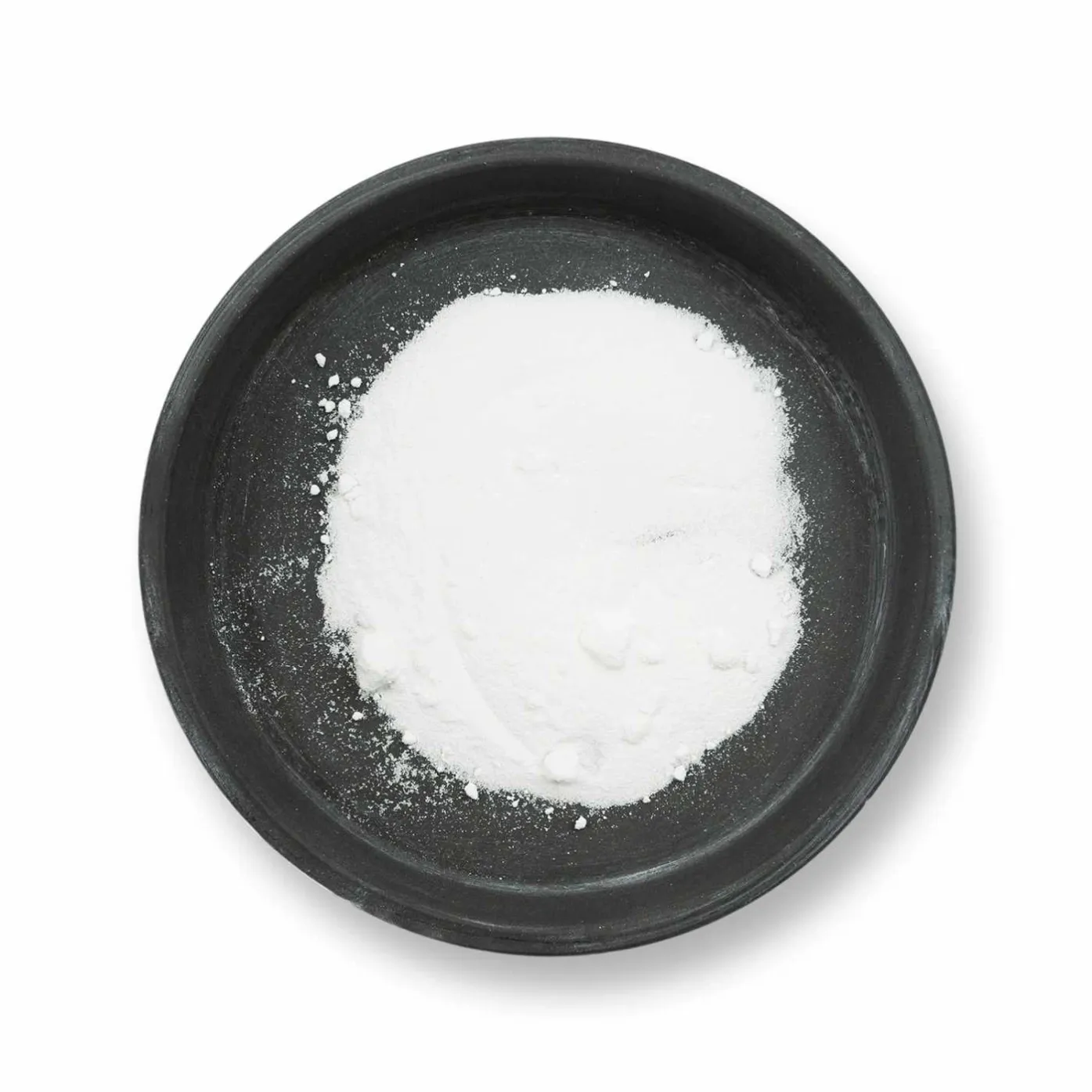
Appearance | White Powder |
Source | Green Tea |
MOQ | Available upon inquiry |
Packaging | Confirmed with quotation |
For purchasing evaluation, buyers may request the relevant product specification and COA to review the applicable USP requirements and testing results.
Applications & Formulation Considerations
Energy Drinks & Functional Beverages
Green tea-derived caffeine anhydrous can be used as a caffeine ingredient in energy drinks, functional beverages, powdered drink mixes, and beverage concentrates.
Formulators should consider the intended caffeine concentration, bitterness, dissolution conditions, and finished-product stability. Caffeine has limited water solubility at room temperature, with greater solubility in hot water.
Sports Nutrition & Pre-Workout Products
Natural caffeine anhydrous is suitable for evaluation in pre-workout powders and multi-ingredient sports nutrition formulations where a botanical caffeine source is desired.
Because the ingredient is highly concentrated, accurate weighing and blend-uniformity controls are important for maintaining consistent caffeine content per serving.
Dietary Supplement Formulations
Green tea-derived caffeine anhydrous may be incorporated into capsules, tablets, and other supplement formulations where permitted.
Manufacturers should verify caffeine content, ingredient compatibility, serving-level dosage accuracy, and applicable labeling requirements.
Ingredient Selection & Quality Considerations
Natural Caffeine vs. Synthetic Caffeine
Natural and synthetic caffeine contain the same active molecule. The primary purchasing distinction is the source of the ingredient.
For brands seeking a green tea-derived caffeine ingredient, supporting botanical-origin documentation is particularly important. A standard caffeine assay confirms caffeine content but does not independently establish botanical origin.
Natural Caffeine vs. Green Tea Extract
High-purity natural caffeine and conventional green tea extract serve different formulation purposes.
Natural caffeine anhydrous is selected primarily for its caffeine content. Green tea extracts standardized for catechins, EGCG, or total polyphenols are intended to deliver a different ingredient composition.
Buyers should select the material according to the active constituents required in the finished formulation rather than treating these ingredient types as interchangeable.
Quality Documentation
For quality evaluation, buyers should review the applicable USP specification and batch COA, including relevant identity, assay, impurity, and other required testing parameters.
Additional considerations may include botanical-source documentation, applicable residual solvent requirements, and destination-market regulatory requirements.
The ingredient is intended for qualified commercial formulation and manufacturing operations, not direct consumer consumption as a concentrated powder.
FAQ
Does green tea-derived natural caffeine contain EGCG or other green tea polyphenols?
A high-purity natural caffeine ingredient should not be assumed to provide meaningful amounts of EGCG or other green tea polyphenols. Buyers requiring these compounds should evaluate a suitable standardized green tea extract separately.
Can green tea-derived caffeine support natural-source product positioning?
Its botanical origin may support natural-source ingredient positioning, provided that the origin is supported by suitable documentation. The eligibility of specific finished-product labeling or marketing claims depends on the destination market and applicable regulations.
How can I request pricing and MOQ information?
Provide your required quantity, destination country, and any specific technical or documentation requirements. ANADYO can review the inquiry and confirm the applicable MOQ, supply options, and quotation.
Request a Quote
Contact sales@anadyobio.com to request specifications, available supply options, and bulk pricing for Green Tea-Derived Natural Caffeine Anhydrous.