
Nutritional & Functional Ingredients
Natural Caffeine (Green Coffee Derived)
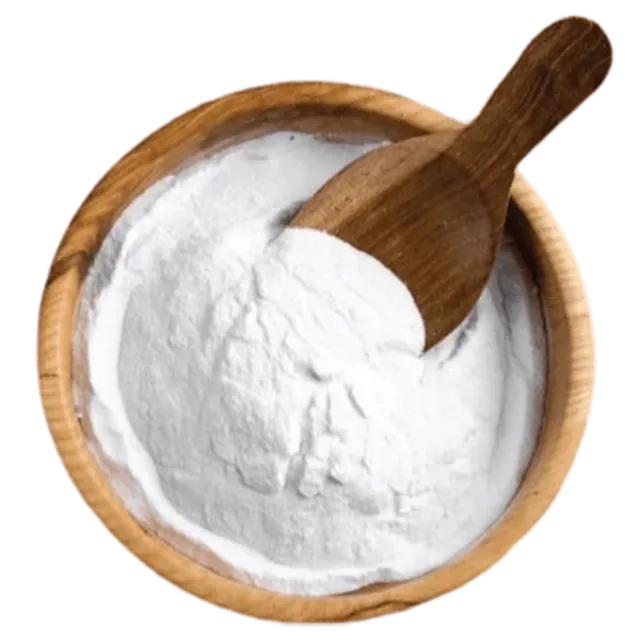
Natural Caffeine (Green Coffee Derived) is a plant-derived caffeine ingredient extracted from unroasted green coffee beans. It provides a botanical caffeine option for beverage, sports nutrition, and dietary supplement formulations. ANADYO offers B2B sourcing and specification matching for buyers seeking coffee-derived caffeine at different concentration levels.
Specifications
- Product Form
- Powder
- Key Specification
- 70%–98% Caffeine Assay, Green Coffee Bean Derived, CAS 58-08-2
- Typical Applications
- Energy Drinks, Pre-Workout Powders, Caffeine Capsules, Functional Beverage Mixes
Product Overview
Natural Caffeine (Green Coffee Derived) is a concentrated botanical caffeine ingredient obtained from unroasted coffee beans. It is offered in different caffeine concentrations for commercial formulations requiring a plant-derived caffeine source.
Green coffee refers to unroasted coffee seeds. Commercial sources include Coffea arabica L. and Coffea canephora; the specific botanical species should be identified in the selected product documentation.
The caffeine molecule is chemically identical to caffeine from green tea or synthetic production. Its coffee-derived origin and ingredient composition are the main considerations when selecting it for a particular formulation.
Ingredient Identity
Property | Details |
|---|---|
Active Compound | Caffeine (1,3,7-Trimethylxanthine) |
CAS Number | 58-08-2 |
Molecular Formula | C8H10N4O2 |
Molecular Weight | 194.19 g/mol |
Botanical Source | Green Coffee Beans |
Plant Part | Unroasted Coffee Seeds |
Source Type | Plant-Derived |
Commercial Specifications & Available Grades
ANADYO offers Green Coffee-Derived Natural Caffeine with caffeine concentrations ranging from 70% to 98%, allowing buyers to evaluate different assay levels according to their formulation requirements.
Item | Details |
|---|---|
Caffeine Assay Range | 70%–98% |
Botanical Source | Green Coffee Beans |
Product Form | Powder |
Grade Selection | According to required assay and composition |
MOQ | Confirmed according to selected grade and quantity |
Packaging | Confirmed with quotation |
Documentation | Product specification and available batch COA upon request |
Grade Selection Considerations
Higher-assay grades provide a greater caffeine concentration per unit of ingredient, which may help formulators reduce the required inclusion quantity.
Lower-assay grades contain a larger proportion of non-caffeine material. Buyers should review the composition, physical properties, and applicable testing results rather than selecting a grade by caffeine percentage alone.
Availability of specific assay levels within the stated range is confirmed according to the purchasing requirement.
Applications & Formulation Considerations
Energy Drinks & Functional Beverages
Green coffee-derived caffeine can be incorporated into energy beverages, powdered drink mixes, and functional beverage formulations.
Important considerations include caffeine concentration, dissolution behavior, bitterness, color, and finished-product stability. The non-caffeine composition of different grades may affect sensory characteristics and processing suitability.
Sports Nutrition & Pre-Workout Products
Natural caffeine from green coffee beans is used in pre-workout powders and multi-ingredient sports nutrition formulations where a botanical caffeine source is preferred.
Formulators should calculate ingredient inclusion based on the selected caffeine assay and verify blend uniformity to maintain consistent caffeine content per serving.
Dietary Supplement Formulations
Green coffee-derived caffeine can be evaluated for capsules, tablets, and powdered supplements.
The selected grade should meet the intended formulation's requirements for active content, powder handling, ingredient compatibility, and quality specifications. Finished-product caffeine levels and labeling must comply with applicable market requirements.
Ingredient Selection & Quality Considerations
Natural Caffeine vs. Conventional Green Coffee Bean Extract
High-concentration natural caffeine and conventional Green Coffee Bean Extract are not interchangeable ingredients.
Green Coffee-Derived Natural Caffeine is primarily standardized for caffeine content.
Conventional Green Coffee Bean Extract is often standardized for chlorogenic acids, a group of naturally occurring coffee polyphenols. Its caffeine content may be considerably lower.
Buyers should confirm which active compounds are required in the finished product. A caffeine assay does not independently establish chlorogenic acid content or the composition of the remaining extract fraction.
Botanical Origin & Ingredient Composition
For coffee-derived ingredient positioning, buyers should review documentation supporting the botanical source and manufacturing origin.
The selected grade's non-caffeine constituents, any carriers or processing aids, and relevant compositional information should also be evaluated where applicable.
Quality Documentation
Technical evaluation may include:
- Caffeine Assay: Declared concentration and applicable analytical method, such as HPLC.
- Botanical Identity: Documented coffee source and plant part.
- Composition: Non-caffeine constituents and any declared carriers or additives.
- Quality Parameters: Relevant impurities, residual solvents, heavy metals, pesticide residues, and microbiological limits, as applicable.
- Batch Documentation: Product specification, COA, and relevant safety documentation.
The selected grade should be assessed against the intended application and destination-market requirements.
FAQ
Does 70% caffeine mean the remaining 30% consists of chlorogenic acids?
No. The remaining fraction is not necessarily chlorogenic acids. Its composition depends on the selected extract, processing method, and formulation. Buyers requiring specific polyphenol or other constituent levels should request supporting analytical information.
Can I request a specific caffeine assay or quality standard?
Yes. Buyers can specify their target assay within the 70%–98% range and any applicable quality-standard requirements. ANADYO will review the available specifications and confirm whether the requested grade can be supplied.
What is the MOQ?
MOQ depends on the selected caffeine concentration, available supply, and order requirements. Please share your target assay and estimated quantity for confirmation.
Request a Quote
Contact sales@anadyobio.com with your target caffeine concentration, required quantity, and destination country for specifications and a quotation.